.png)
Fire Sprinkler Obstructions: Could Your Building’s Sprinklers Be Blocked?

Fire sprinklers are designed to control a fire quickly — but only if they can do the job they were designed for.
A sprinkler can activate correctly and still be affected by an obstruction. Shelving, stored goods, ductwork, bulkheads, lights, signs and other building changes can interfere with the heat reaching the sprinkler or the distribution of water over the area it is intended to protect.
For buildings in NSW, sprinkler systems required by the NCC must be designed and installed in accordance with the applicable requirements, including the relevant Australian Standard. For general sprinkler systems, the NCC references AS 2118.1.
This guide explains the common obstructions that affect sprinkler performance, how to spot them, and what to do when you find them.
What is a sprinkler obstruction?
A sprinkler obstruction is anything that can interfere with the operation or distribution of water from a sprinkler system.
Common examples include:
Storage or shelving installed too close to sprinkler heads
High-piled goods or stock
New ductwork, cable trays or bulkheads
Light fittings, signs or suspended displays
Partitions or other building alterations
Items hung from sprinkler pipework
Painted, damaged or heavily contaminated sprinkler heads
These issues are particularly common after a fit-out, renovation or change in how a room is being used.
Why does it matter?
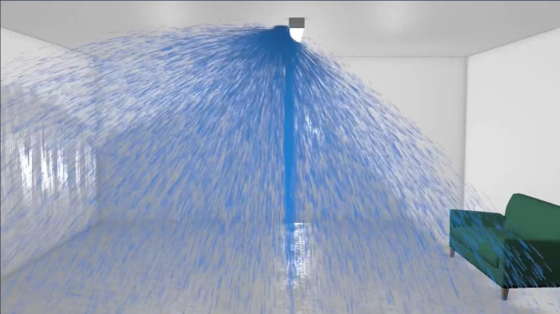
A sprinkler head is not simply designed to spray water straight down.
The sprinkler system is designed around a particular arrangement, including the location of the heads and the characteristics of the space being protected. If an obstruction interferes with the spray pattern, water may not reach the fire as intended.
This can create areas where fire growth is not adequately controlled.
The important point is that a sprinkler system can appear to be working while its effectiveness has been compromised by changes to the building or storage arrangement.
Below illustrations demonstrate how the obstruction of a fire sprinkler may affect it's performance.


What should building owners and managers look for?
A simple visual inspection can identify many potential problems.
Look for:
Stock or shelving approaching the sprinkler heads
New walls, partitions or bulkheads
Ducts, lights or other services close to sprinkler heads
Signs or displays positioned in the sprinkler discharge area
Damaged, painted or heavily contaminated sprinkler heads
Items being suspended from sprinkler pipework
The required clearance should not be assumed from a generic measurement. The appropriate clearance depends on the sprinkler system, its design and the applicable requirements of the relevant standard.

What if you find an obstruction?
Some issues may be as simple as moving stored goods or relocating a display.
However, if the obstruction has resulted from a building alteration, new racking, changed storage arrangements, new services or a change in the use of the space, the sprinkler system may need to be reviewed by an appropriately qualified fire protection professional.
Do not move, modify, paint or repair sprinkler heads yourself.
A common problem after building alterations
One of the issues we commonly see with existing buildings is that the building changes but the fire safety system does not.
A new bulkhead is installed. A storage area is reconfigured. Racking is increased in height. A new duct or partition is added.
The sprinkler system may have been compliant when originally installed, but the changed conditions can affect whether the existing arrangement continues to provide the intended protection.
Fire and Rescue NSW recognises that existing sprinkler systems can require a case-by-case assessment where building alterations or existing conditions affect sprinkler coverage.

Need your building checked?
If you are concerned that building alterations, storage arrangements or other obstructions may be affecting your fire sprinkler system, Project Intervene can assist with identifying potential building compliance issues and determining when further specialist assessment may be required.
Our approach is simple: identify the issue, explain why it matters, and help you determine the appropriate next step.
Project Intervene — Building Compliance & Certification


Comments